
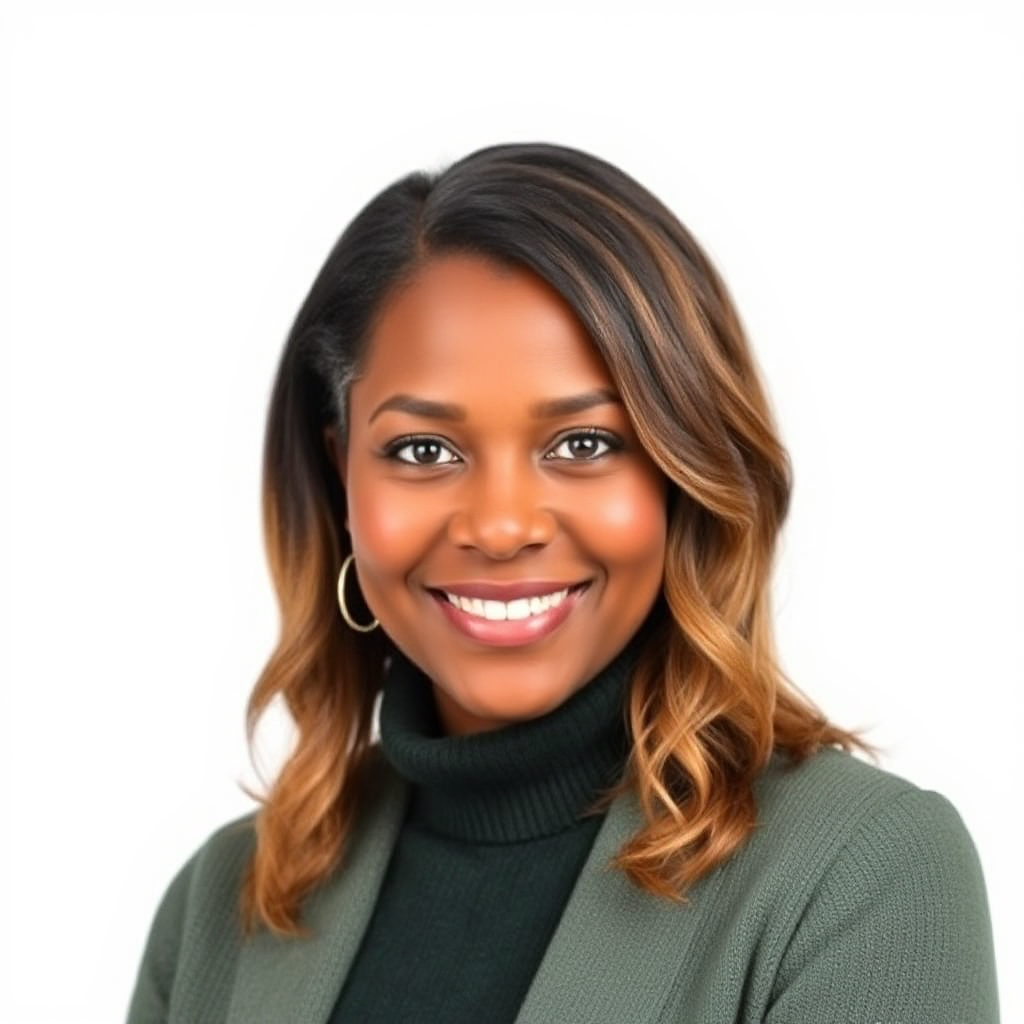

Ex- Google boss Matt Brittin has been appointed as the British Broadcasting Corporation's new chief executive.
The ex-president of the tech giant's EMEA operations will replace Tim Davie, who announced his departure in the autumn in the wake of a controversy over how a current affairs show presented a speech by Donald Trump.
BBC chairman Samir Shah stated that Brittin, who departed from Google in the previous year after nearly two decades, "offers the BBC considerable experience of managing a prominent and highly-complex entity during a period of change".
The 57-year-old said he "is excited to commence this work", describing it as "a period of real risk, yet also significant potential".
He added that the UK must have "a robust BBC that works for all in a complicated, unpredictable and rapidly evolving landscape".
Outlining his priorities, he continued: "The BBC requires the pace and drive to be simultaneously at the heart of news, and where audiences are. To enhance the audience, reputation and creative excellence today, tackle issues with courage, and succeed as a public service suited to the years ahead."
'Major Reform'
The chairman called Brittin "an outstanding leader" with "the skills required to steer the corporation through the many developments happening in the industry and in viewer and listener preferences".
The BBC chief also praised Brittin's "enthusiasm for the BBC, his grasp of the issues confronting the institution, his commitment to its impartiality and his resolve to uphold the BBC's position as one of the country's greatest public institutions".
The incoming director general arrives at "a pivotal time", as the UK government assesses the BBC's constitutional framework, Shah continued.
"It is clear there is a necessity for sweeping reform of the BBC, its financial structure and the framework in which it functions. The stakes for the BBC, and the prospects of public service broadcasting, have never been more significant."

The corporation's leadership role is seen to be one of the most demanding in British journalism.
During his time in office as the broadcaster's leader, he was responsible for managing a series of issues and challenges at the broadcaster.
His priorities will include addressing a multi-billion libel legal case initiated by the US president against the BBC.
The former president is disputing the way the programme spliced two parts of a address he gave on January 6th, for which the BBC has expressed regret.
Recently the corporation petitioned a judge to throw out the claim, saying the controversial episode was not broadcast in the United States.
BBC at a Turning Point
The new chief takes charge at a crucial moment for the BBC in other ways, too.
He will proceed with talks with the UK government on the broadcaster's remit and the prospects of the funding mechanism and public service budget.
The present framework, which sets out the terms and purposes of the BBC's role, will run out in the near future.
His appointment also occurs at a point when the BBC is competing with large technology firms in the streaming arena.
Google's parent company owns YouTube, with which the BBC not long ago announced a major deal to develop specially created content.
Corporate Experience a Asset?
A number of individuals at Google "speak highly" about Brittin, describing him as an inspirational boss and a superb colleague".
Some have raised doubts about the BBC's appointment someone with a background in the corporate world rather than traditional broadcasting or traditional editorial knowledge.
However, it is understood that "he was chosen by the BBC Board for his first-hand experience of big tech. There's an anticipation he will champion the shift to digital, for example in journalism. He'll also probably concentrate on transforming and improving BBC iPlayer."
Ex- BBC Newsnight editor Peter Barron, who worked with Brittin at Google, said he is "strongly driven by a feeling of the public good".
"He admires the BBC for its reliable journalism and its creativity, but he's also very conscious of its past as a innovation pioneer.
"He aims the BBC to prosper in a environment where many of its biggest challenges are connected to technology, whether that's the power of the digital platforms, online false information, or simply how people wish to consume programmes.
"Given his experience and relationships within the tech industry, and also the ties he's built with TV networks, the news industry, regulators and authorities, I think he's extremely well positioned to tackle the tasks."
Who is Matt Brittin?

Born in Surrey, Brittin received a degree from the Cambridge, while also participating in rowing for them in the university boat race on three occasions.
He also rowed for Britain and won|secured|earned


